
ABOUT OUR COMPANY
Specialized In Palm Kernel Expeller
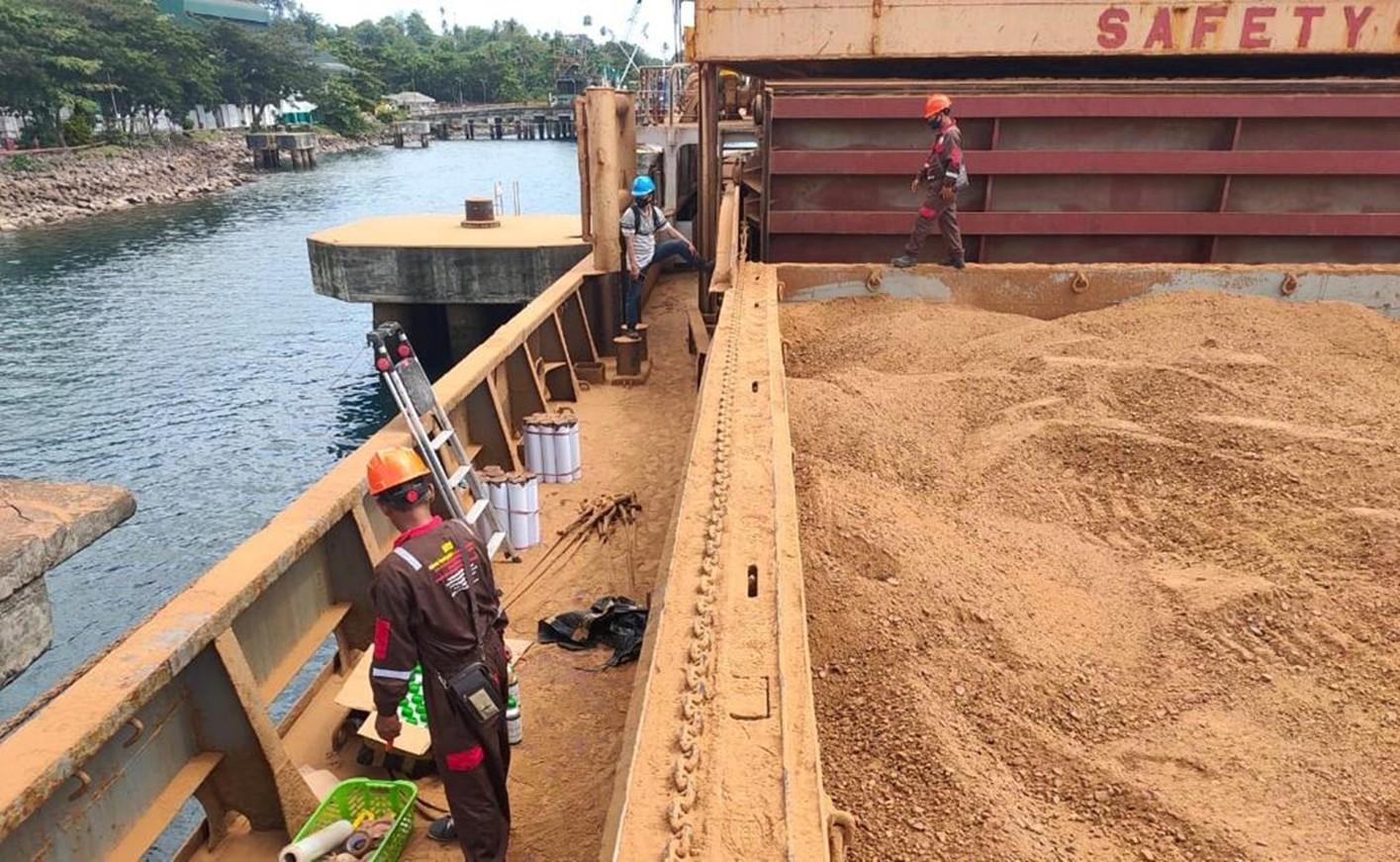
We are one of the largest exporter of palm kernel expeller into global market. Our company consists of several palm kernel oil processing companies in Sumatra, merged into one entity in the palm kernel expeller trade. Helping to meet the feed needs of international.
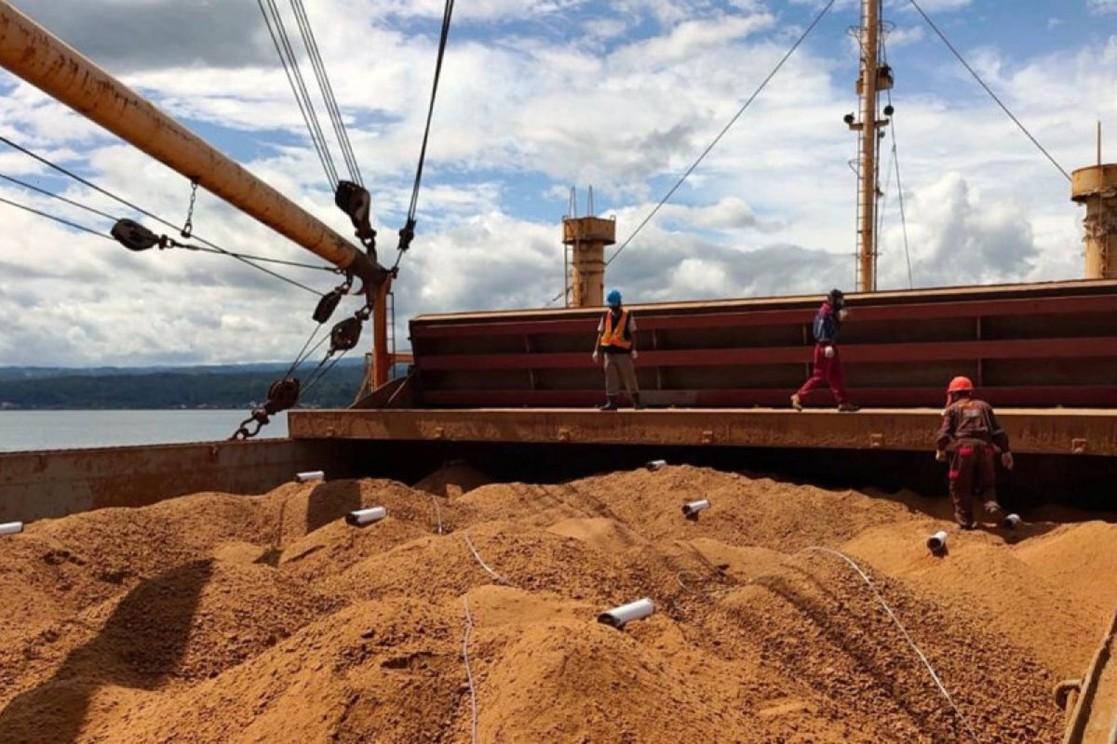
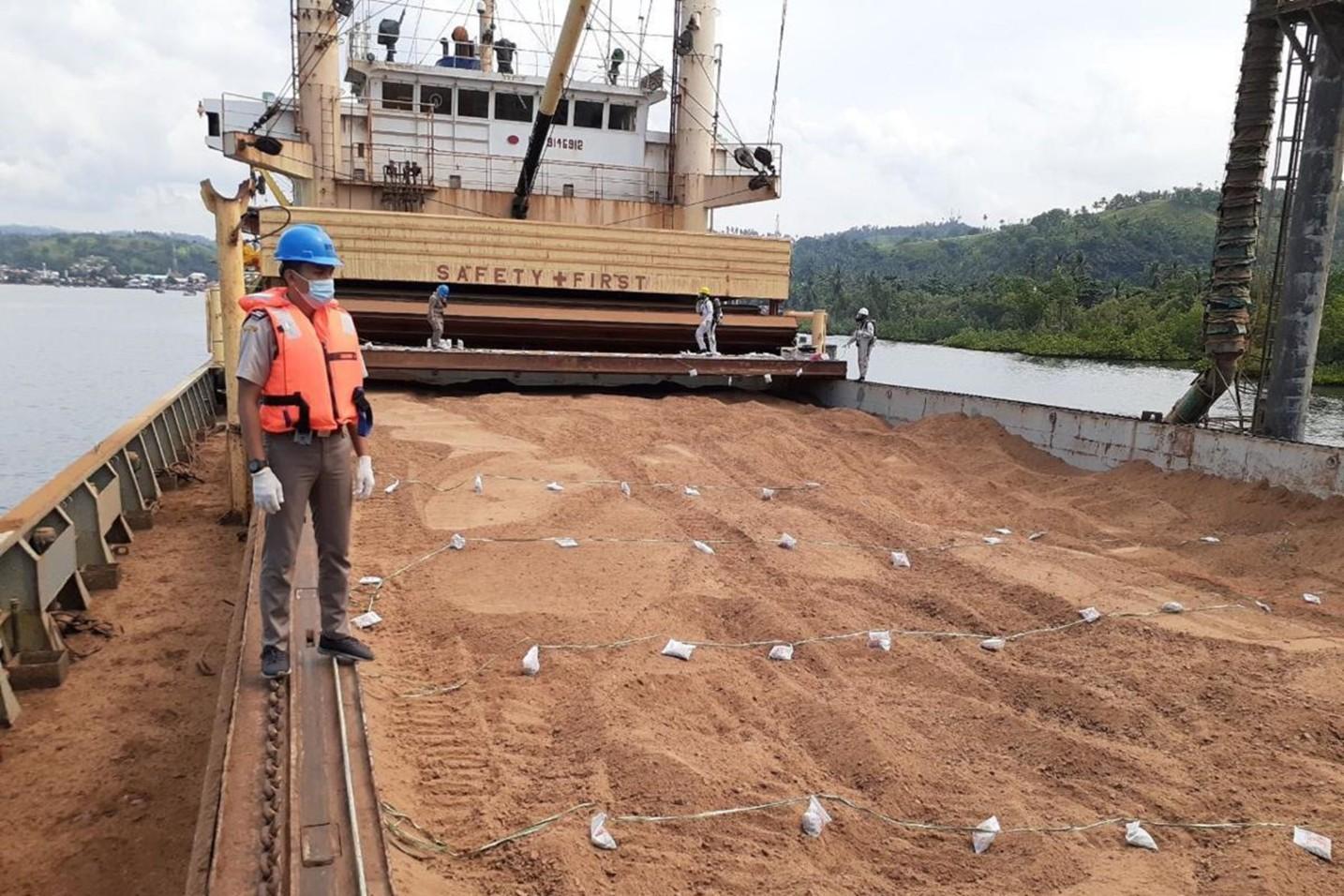
Utilising our extensive local network, we can meet the needs of our customers in Asia, Middle East and Europe with a volume of 5,000-6,000 MT per month. We store palm kernel expeller at port or transport them to upcountry storage facilities, all the while maintaining their quality.
Once our importers are ready to receive their palm kernel expeller, we outturn and efficiently deliver to their specifications utilising vessels and bulk containers.
Having access to our own global bulk vessel chartering fleet gives us greater flexibility and control over coordination should requirements change.
We can always meet our customers’ needs due to our robust quality management processes, strong partnerships along the supply chain and geographically diverse network which give us the ability to supply from various origins.
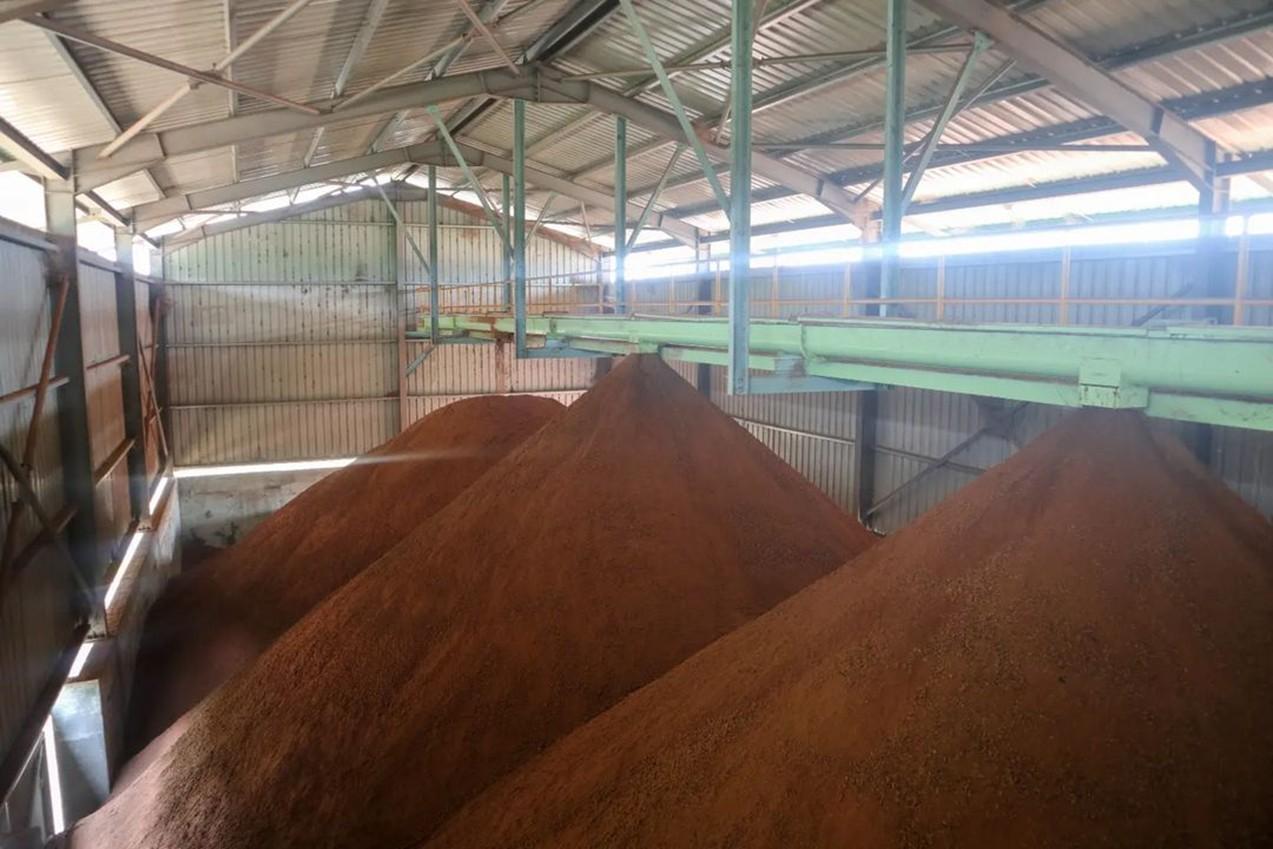
Our storage and handling network allows us to strategically store palm kernel expeller to supply customers across the worldwide.
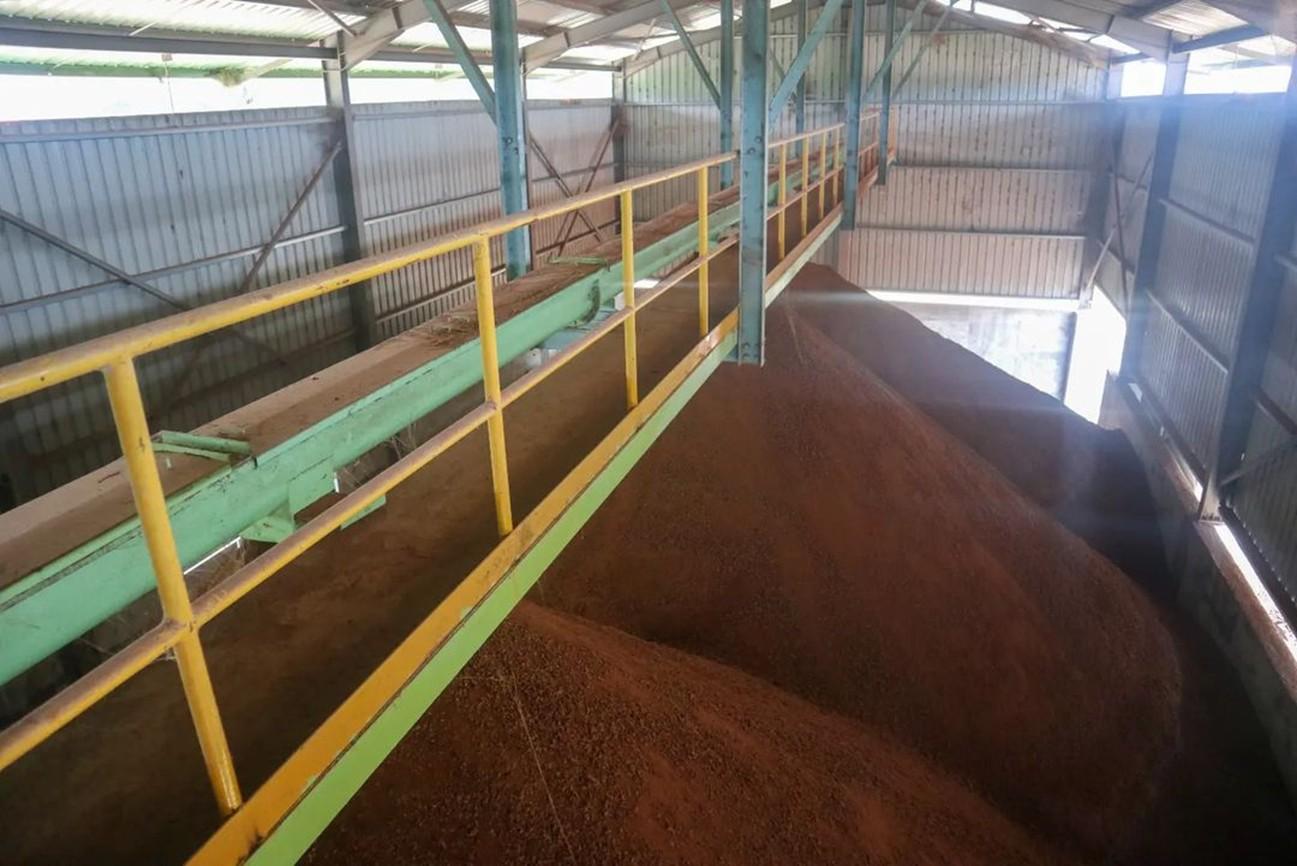

Palm Kernel Expeller
Palm kernel expeller meal (PKE) combines mid to high energy levels (around 8% fat and 65% neutral detergent fibre (NDF)) with moderate protein levels. PKE is a by-product of the crushing and physical expelling of oil from the kernel of the fruit of the oil palm tree (Elaeis guineensis). The outer fleshy fruit of the palm fruit is removed and extracted to produce palm oil leaving the kernel. After removing the shell, the kernels are also crushed to release palm kernel oil, leaving behind PKE which over the last 10 years has found a use in the dairy industry. PKE is sourced from the palm oil industry in South East Asia, mainly from Indonesia.
Features and benefits
- PKE is very low in starch and sugars (most of the energy coming from oil and NDF) and does not cause any risk of developing acidosis. Few rumen health issues are likely to be experienced.
- The high fermentable NDF level in PKE is a substrate for acetic and butyric acid production which will aid the production of milk fat and stimulates cow condition.
- PKE’s moderately fast fermentable NDF and higher protein levels makes it ideally suitable to be fed in conjunction with high starch low protein supplements like maize silage or tapioca.
- Lower palatability of PKE will affect voluntary intake levels during the first period after introduction. It is best introduced mixed with more palatable inputs like molasses or silage. After approximately 10 days cows will consume it straight.
- The NDF in PKE has a small particle size and is low in effective fibre. PKE should be fed with a long (effective) fibre source to establish sufficient rumination.
- The calcium to phosphorous ratio of PKE is low as is sodium. Calcium and sodium may need to be supplemented if PKE is fed at high levels.
Typical Analysis
-
Profat 21.0%
-
Moisture 8.0%
-
Protein 15.5%
-
Metabolisable energy (ME) 10-12.5 MJ/kg
-
Digestible energy, pig (DE pig) 10.5 MJ/kg
-
Apparent metabolisable energy, poultry (AME poultry) 7.0 MJ/kg
-
Fat 8.0%
-
Neutral detergent fibre (NDF) 67%
-
Acid detergent fibre (ADF) 42%
-
Crude fibre 17.7%
-
Ash 4.5%
-
Calcium 0.20%
-
Phosphorus 0.49%
-
Potassium 0.60%
-
Sodium 0.01%
-
Magnesium 0.23%
-
Copper 24 ppm
-
Lysine 0.50%
-
Methionine 0.32%
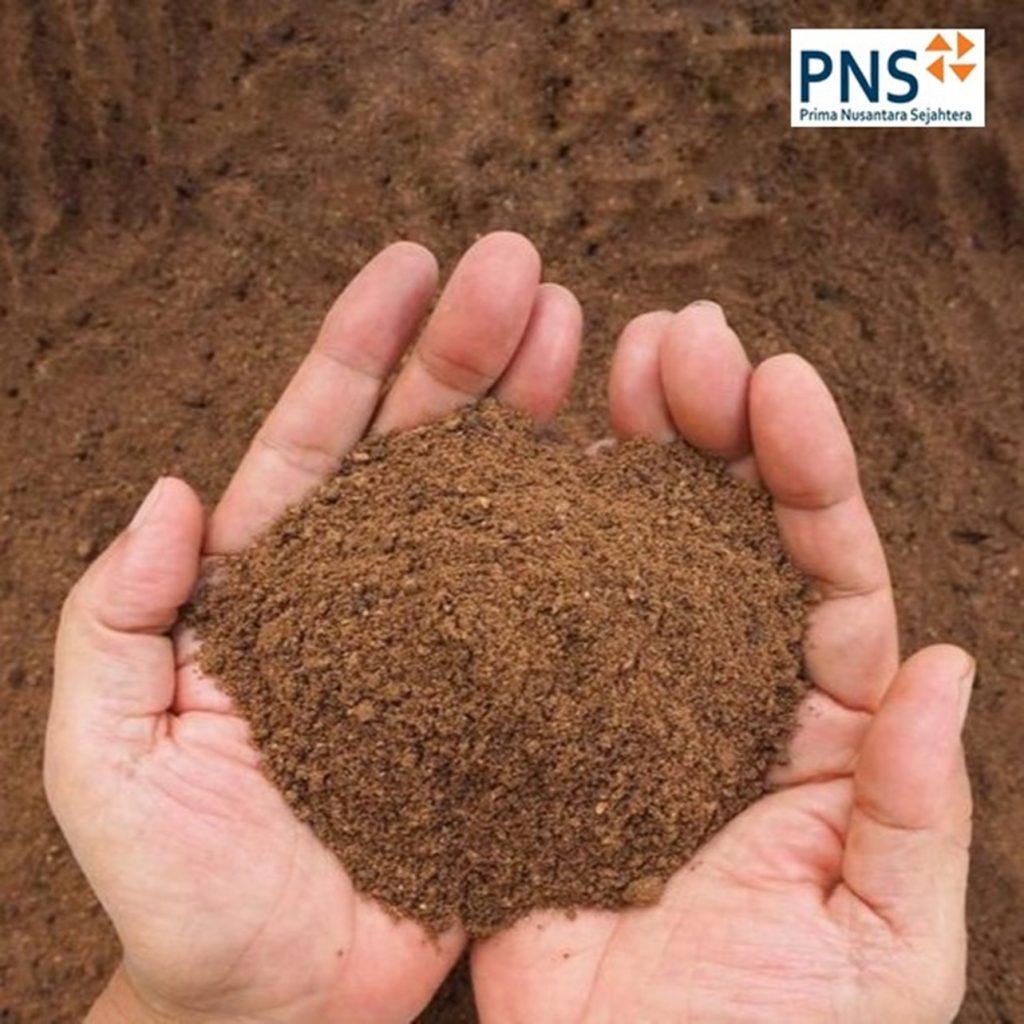
Feeding Recommendations
PKE can be fed on the feed pad, via some feed systems in the dairy shed or on a trailer/in a trough in the paddock. Normal feed out rates are 2-3kg dry matter (DM), higher rates up to 6kg DM are possible in cases of serious feed shortage. PKE has higher levels of copper, which can cause problems in susceptible sheep breeds when ad lib fed on PKE.
Consult your nutritionist or farm consultant to determine the most optimal feeding level for your particular situation.
Storage
Like all feedstuffs, PKE should be stored dry, in bulk bins or placed on cement slabs (away from vermin and protected from the weather). If stored in a silo, the sides should be smooth, the bottom cone steep and, preferably a wide opening to allow free flow of the PKE. Pre-blending with grain will allow for a better flow ability.